
Alphonso Mango: A Connoisseur’s Guide to the King of Fruits in 2026

Updated: May 6
Could you imagine a summer where the world’s most coveted fruit becomes a rare luxury? With the 2026 Alphonso Mango harvest in the Konkan region suffering a staggering 75% reduction due to unseasonal rains, that reality has arrived. We all share that deep, nostalgic craving for the fruit’s buttery texture and honeyed aroma, yet the current market makes finding an authentic specimen feel like a daunting task. You shouldn't have to settle for an inferior variety or miss the short seasonal window because of confusing labels and retail prices that have climbed as high as ₹2,000 per dozen.
This guide promises to transform you into a true connoisseur, providing the tools to identify premium GI-tagged fruit and navigate the complexities of the 2026 season. We'll delve into the coastal terroir of Ratnagiri and Devgad, master the secrets of perfect home ripening, and explore the professional culinary applications that define this legendary fruit. From understanding why supplies from Ratnagiri may vanish after 25 May to spotting fraudulent traders, you'll gain the expertise needed to savour every golden moment of this fleeting season.
Key Takeaways
Understand why the Alphonso Mango is hailed as the King of Fruits and why its brief window of availability makes it the most sought-after variety in the world.
Discover how to appreciate the unique, non-fibrous texture and the complex, floral aroma that sets this fruit apart from any other.
Learn the specific visual and olfactory markers that help you distinguish genuine Ratnagiri or Devgad fruit from common imposter varieties found in the market.
Uncover the secrets to traditional preparations like Aamras and see how this golden fruit elevates sophisticated Indian desserts to new heights.
Find out how we incorporate these hand-picked, seasonal treasures into our authentic, Halal-certified menu at Copper Chimney to create unforgettable dining memories.
Table of Contents The Legend of the Alphonso: Why It Reigns as the King of Mangoes The Anatomy of Flavour: Sensory Profile of the Perfect Alphonso Identifying Authenticity: Alphonso vs. Other Mango Varieties The Connoisseur’s Kitchen: Culinary Applications of the Alphonso Savouring the Season: Alphonso Experiences at Copper Chimney
The Legend of the Alphonso: Why It Reigns as the King of Mangoes
To understand the prestige of the Alphonso Mango, you must look beyond the fruit bowl and into the heart of a cultural obsession. For gourmets across the globe, the arrival of the first crate from the Konkan coast isn't just a retail event; it's a herald of the season itself. Known locally as the Hapus, this cultivar has earned its global reputation as the "King of Mangoes" through a combination of historical luck and extraordinary genetics. While other varieties might offer simple sweetness, the Alphonso provides a complex, multi-layered experience that lingers on the palate. In 2026, this crown feels heavier than ever. With a 75% reduction in crop yields across the Ratnagiri and Sindhudurg regions due to unseasonal rains, every single fruit has become a rare, golden treasure.
The Alphonso mango represents the pinnacle of tropical horticulture, a fruit so refined that food writers and Michelin-starred chefs treat it with the same reverence as white truffles or Beluga caviar. Its season is famously fleeting, typically stretching from April to June. However, the 2026 climate stress means the window is even tighter. Supplies from Devgad are expected to decline sharply after 10 May, making the pursuit of authentic fruit a race against time. This scarcity only adds to the legend, cementing its status as the gold standard of the fruit world.
The Origins of the Hapus Variety
The story of the Hapus began centuries ago when Portuguese explorers introduced sophisticated grafting techniques to India. Named after the general Afonso de Albuquerque, the variety found its spiritual home in the specific "terroir" of Maharashtra. The secret lies in the laterite, volcanic soil of the Ratnagiri and Devgad regions. This nutrient-rich earth, combined with the salty sea breeze of the Arabian Sea, creates a flavour profile that simply cannot be replicated elsewhere. It’s why a mango grown just a few hundred miles away in Karnataka, despite being the same cultivar, lacks the same aromatic depth and buttery intensity.
A Seasonal Cultural Phenomenon
In India, the Alphonso defines the summer experience. There is an electric sense of anticipation as the first crates reach the APMC markets, where premium boxes can fetch between ₹2,000 and ₹6,000 in 2026. This fruit is the centrepiece of family gatherings and the ultimate gift of respect and affection. The Alphonso mango is a sensory marriage of honey, apricot, and saffron notes. At Copper Chimney, we honour this heritage by sourcing only the finest seasonal ingredients for our locations, ensuring our guests experience the fruit exactly as nature intended during its brief, glorious reign.
The Anatomy of Flavour: Sensory Profile of the Perfect Alphonso
Holding a perfectly ripe Alphonso Mango is like cradling the very essence of the Indian summer. While other varieties may offer a simple, sugary hit, the Hapus provides a symphonic experience that engages every sense. The first thing you'll notice is the aroma. A single fruit can perfume an entire room with a heady, floral bouquet that carries whispers of jasmine and rose mingled with deep honey notes. It's a fragrance so potent that connoisseurs often use it as the primary test of authenticity before even considering the fruit's skin.
Once sliced, the visual reward is a vibrant saffron-gold hue that seems to glow from within. The texture is where the Alphonso truly claims its throne. It is entirely non-fibrous, offering a buttery, unctuous mouthfeel that melts away without the stringy resistance common in lesser cultivars. This silkiness allows the complex flavour profile to coat the tongue, delivering a sophisticated balance where high natural sugar content meets a refined, citrus-like acidity. It’s this specific tension between sweetness and tang that makes it the preferred choice for master chefs and discerning diners alike.
The Terroir of the Konkan Coast
This sensory perfection isn't an accident. It's a direct result of the Konkan coast’s unique geography. The relentless humidity and salt-laden sea breezes of Maharashtra act as natural catalysts, concentrating the sugars within the fruit while maintaining its delicate moisture levels. Because the skin is so thin and sensitive, traditional harvesting remains a labour of love. Farmers still hand-pick each mango using a 'nani', a long pole with a net, to ensure the fruit never touches the ground. This meticulous care prevents bruising, which is vital in a year like 2026 where the 75% reduction in yield means every undamaged fruit is a precious commodity.
Nutritional Excellence and Vitality
Beyond the indulgence, the Alphonso is a powerhouse of vitality. It boasts exceptional concentrations of Vitamin A and C, which are essential for skin health and immune support during the sweltering heat. The rich presence of beta-carotene gives the flesh its signature colour and provides a potent antioxidant boost. For those looking to sustain their energy during the humid months, the natural glucose and dietary fibre offer a steady release of vigour. If you're looking to share this seasonal masterpiece with friends, our bespoke catering options can bring the vibrant spirit of the mango season to your next gathering.

Identifying Authenticity: Alphonso vs. Other Mango Varieties
Distinguishing a true Hapus from its many pretenders is an essential skill for any serious lover of the Alphonso Mango. In 2026, this expertise is more vital than ever; with a 75% reduction in the Konkan crop, the market has seen a surge in traders mislabelling cheaper varieties to capitalise on the scarcity. A genuine Ratnagiri or Devgad Hapus is identified by its distinct ovoid shape; it shouldn't look overly long or hooked. The skin is remarkably thin and smooth, often retaining a slight green tint even when the flesh inside has reached peak maturity. Don't let a bit of green deter you. Unlike other fruits, a Hapus doesn't need to be entirely golden to be sweet. The most reliable indicator is the scent. A real Alphonso emits a heady, resinous fragrance at the stem that can perfume an entire room within minutes.
Always look for the Geographical Indication (GI) tag when purchasing. This certification is your only guarantee that the fruit was grown in the specific volcanic soil of the Maharashtra coastline. Without it, you may be paying premium prices for a fruit that lacks the signature buttery depth of the authentic King of Mangoes.
Alphonso vs. Kesar vs. Badami
While the Alphonso reigns supreme for its texture, the Kesar mango from Gujarat is a formidable rival known for its intense, saffron-like sweetness and "dull" orange skin. Kesar is often pulpy and luscious, making it excellent for purees, but it lacks the sophisticated acid-sugar balance of the Hapus. Then there is the Badami from Karnataka. Often called the "poor man’s Alphonso", it mimics the shape and colour but possesses a slightly fibrous texture and a much milder aroma. In 2026, while Alphonso prices have climbed as high as ₹2,000 per dozen, Badami remains a budget-friendly alternative for everyday use, though it cannot replicate the melt-in-the-mouth experience of the original.
Selecting the Best Fruit in Singapore
When shopping in Singapore, your nose is your best tool. Press your thumb gently near the stem; a ripe Alphonso Mango will yield slightly and release a concentrated, honeyed scent. Don't be afraid of small, dark spots on the skin. These "sugar spots" often indicate a high brix (sugar) level, suggesting the fruit is at its peak. Once home, store them in a cool, dark place. Never refrigerate a firm mango, as the cold halts the ripening process and kills the delicate flavour profile. Wait until the fruit feels soft to a gentle squeeze before chilling it briefly for a refreshing summer treat.
The Connoisseur’s Kitchen: Culinary Applications of the Alphonso
The culinary versatility of the Alphonso Mango is limited only by a chef's imagination. While it's divine when sliced fresh, its true potential is unlocked when transformed into Aamras. This thick, golden puree is traditionally served alongside hot, fluffy puris, creating a delightful contrast between the chilled, sweet pulp and the warm, savoury bread. Because the Hapus is entirely non-fibrous, the resulting puree is exceptionally smooth; it requires no straining to achieve a velvet-like consistency. In the world of high-end gastronomy, this fruit isn't just an ingredient. It's a precious seasonal asset that demands respect, especially in 2026 when the 75% crop reduction has made every drop of juice more valuable than ever.
Beyond traditional sweets, the sophisticated acidity of the Hapus makes it a surprising partner for savoury dishes. Its natural tang can cut through the richness of heavy creams or balance the intense spices of a traditional North Indian curry. For the modern host, incorporating this fruit into a chilled appetiser or a vibrant summer salad provides a refreshing counterpoint to the sweltering Singapore heat.
Traditional Indian Mango Delicacies
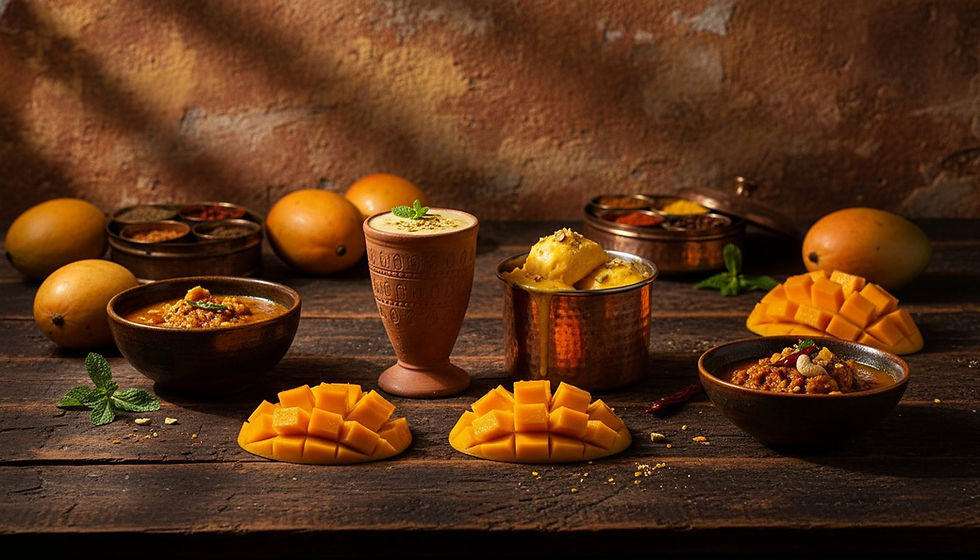
In a traditional Indian kitchen, the Mango Lassi is a rite of passage. Using Alphonso Mango pulp is non-negotiable for those seeking the authentic, deep orange hue and honeyed depth that lesser varieties simply cannot provide. Similarly, the Mango Kulfi relies on the Hapus for its unctuous texture. By folding fresh pulp into milk that has been reduced for hours over a slow flame, chefs create a frozen dessert that is both dense and incredibly aromatic. For those eager to explore how these sweets fit into a broader meal, The Ultimate Guide to Authentic Indian Food in Singapore offers a deep dive into the traditions of dessert pairings.
Alphonso in Chindian and Fusion Gastronomy
At Copper Chimney, we pride ourselves on being a bridge between cultures, particularly through our Chindian specialities. The natural sweetness of the Alphonso is a masterclass in balance when paired with the fiery heat of Szechwan spices. Imagine a chilled mango salsa served alongside sizzling Chilli Chicken or Gobi Manchurian; the fruit’s acidity cleanses the palate between each spicy bite. In contemporary Halal catering menus, we're seeing a rise in fusion desserts like Alphonso mango cheesecake or a delicate panna cotta infused with saffron. These dishes respect the fruit's heritage while presenting it in a format that appeals to a global audience. If you're planning a corporate event or family gathering this season, you can order our seasonal specialities online to experience these vibrant flavours at home.
Savouring the Season: Alphonso Experiences at Copper Chimney
At Copper Chimney, we understand that the arrival of the Alphonso Mango is more than just a seasonal change; it's a celebration of heritage that deserves to be handled with the utmost care. As custodians of flavour, we take great pride in sourcing only the most authentic, GI-tagged fruit, ensuring that every slice served at our tables carries the true essence of the Konkan coast. In a year defined by rarity, our commitment to quality remains unwavering, providing our guests with a precious opportunity to experience this golden fruit at its absolute peak. Whether you're visiting us for a quiet lunch or a grand celebration, you'll find that we treat the King of Fruits with the same reverence as our award-winning signature dishes.
Our menu is a curated journey through the best of North Indian and fusion cuisines, and during the peak harvest months, the Alphonso takes centre stage. You can explore our seasonal offerings through our Per-Dish Food and Beverage Sales, where hand-crafted mango specialities are available for those who wish to bring a touch of luxury to their own dining rooms. For larger gatherings, our Corporate Catering services provide an elegant way to impress clients and colleagues with the vibrant, sophisticated flavours of the season.
Halal-Certified Mango Indulgence
Safety and inclusivity are at the heart of our hospitality. Being Halal-certified allows us to offer a worry-free dining experience for our diverse Singaporean audience, ensuring that everyone can partake in the joy of the mango season. There is something truly magical about the first sip of a hand-crafted Mango Lassi, where the creamy yoghurt meets the intense, floral sweetness of fresh Alphonso Mango pulp. It's a sensory experience that evokes nostalgia and warmth, inviting you to slow down and enjoy the moment. We invite you to reserve a table today to ensure you don't miss out on these fleeting seasonal treasures.
Bringing the King of Fruits to Your Event
Elevating an event requires a touch of the extraordinary, and nothing achieves this quite like a live station dedicated to the King of Fruits. Imagine your guests delighting in a live Mango Chaat counter, where our Chaat Master creates bespoke treats that balance the fruit's sweetness with tangy spices. Our deep expertise in Chindian Food in Singapore allows us to create unique pairings that you won't find elsewhere, blending the bold heat of Szechwan flavours with the cooling elegance of the Alphonso. To create a truly memorable experience for your next function, we encourage you to book a consultation with our team to design a bespoke seasonal menu that reflects your personal style and our culinary craft.
Embrace the Golden Season Before it Fades
The 2026 season reminds us that the Alphonso Mango is a rare and precious gift. With harvests in Ratnagiri expected to decline sharply after 25 May, the window to indulge in this golden masterpiece is closing fast. We’ve explored how to spot the genuine Hapus through its intoxicating aroma and thin, smooth skin; ensuring you settle for nothing less than the buttery perfection of a GI-tagged fruit is essential for the true connoisseur. Whether you're enjoying it in a traditional Aamras or a contemporary fusion dessert, this fruit remains the ultimate sensory symbol of a refined Indian summer.
At Copper Chimney, we've been sharing these authentic seasonal specialities with the Singaporean community since 2012. Our award-winning North Indian and Chindian fusion offerings are prepared using 100% Halal-certified ingredients, providing a prestigious yet welcoming setting for your next culinary journey. Don't let this fleeting window pass you by without a final taste of the King.
Frequently Asked Questions
When is the Alphonso mango season in Singapore?
The Alphonso Mango season typically spans from April to June, though the 2026 window is notably shorter due to climatic shifts. You can expect supplies from the Devgad region to decline sharply after 10 May, while the Ratnagiri harvest will likely conclude around 25 May. It's a fleeting period that requires quick action if you wish to enjoy the fruit at its peak.
Why is the Alphonso mango so much more expensive than other varieties?
High retail prices, which have reached up to ₹2,000 per dozen in 2026, are driven by a massive 75% reduction in crop yields across the Konkan region. This scarcity, combined with the fruit's unique Geographical Indication (GI) status and the intensive hand-picking process, ensures it remains a premium luxury. Its unparalleled buttery texture and complex aroma simply cannot be found in cheaper, more abundant varieties.
How can I tell if an Alphonso mango is ripe and ready to eat?
A ripe mango will release a heady, honeyed fragrance specifically at the stem end that can perfume an entire room. When you apply gentle pressure, the fruit should yield slightly without feeling mushy. Don't be discouraged by a lingering green tint on the skin; the internal saffron-gold flesh often reaches peak sweetness before the exterior turns fully yellow.
Is the skin of the Alphonso mango edible?
While the skin isn't toxic, it's generally not recommended for consumption because it can be bitter and somewhat tough. To truly appreciate the non-fibrous, melt-in-the-mouth quality of the Hapus, it's best to peel the fruit or slice it away from the skin. This allows the sophisticated flavour profile of the flesh to take centre stage without any distracting textures.
What is the best way to store Alphonso mangoes to keep them fresh?
Store your mangoes in a cool, dark place at room temperature until they reach your desired level of ripeness. You should never refrigerate firm fruit, as the cold temperatures halt the natural ripening process and dull the delicate aromatic compounds. Once the fruit is soft and fragrant, you can chill it for up to two days to enjoy a refreshing, cool treat.
Does Copper Chimney offer Halal-certified mango desserts?
Yes, we're proud to offer a range of 100% Halal-certified mango delicacies during the peak of the season. From our hand-crafted Mango Lassi to traditional desserts, every item is prepared with the same commitment to authenticity that defines our award-winning North Indian cuisine. It’s the perfect way to conclude a meal of sizzling Tandoori Chicken or a rich Dal Makhani.
Can I use Alphonso mango pulp for cooking throughout the year?
Canned Alphonso Mango pulp is a versatile kitchen staple that allows you to enjoy the flavour of the King of Fruits even after the June harvest ends. It's excellent for making Aamras, smoothies, or desserts like mango cheesecake. However, most connoisseurs agree that the specific floral aroma and buttery mouthfeel of fresh fruit are impossible to fully replicate with processed alternatives.
What is the difference between Ratnagiri and Devgad Alphonso mangoes?
Ratnagiri fruit is celebrated for its incredibly thin skin and a fragrance so intense it's considered the gold standard for aromatics. Devgad mangoes, grown in specific laterite soil, often have a slightly thicker skin and a more concentrated, sugary sweetness. Both regions hold GI tags, ensuring that whichever you choose, you're experiencing the authentic terroir of the Maharashtra coastline.

Comments