
Catering for Diverse Dietary Needs: A Connoisseur’s Guide to Inclusive Events

What if the most restricted plate at your table became the most envied dish of the evening? For any connoisseur of fine food, the challenge of catering for diverse dietary needs often feels like a delicate balancing act between safety and soul. You likely worry that providing inclusive options might lead to a compromise in flavour, or that managing multiple conflicting requests will result in a fragmented dining experience. It’s a common concern that "safe" food must be bland, stripping away the aromatic heritage found in a masterfully prepared Lucknowi Mutton Biryani or a rich Dal Makhani.
In this guide, you’ll discover how to master the art of inclusive catering, ensuring every guest enjoys a sophisticated culinary experience regardless of dietary requirements. We’ll show you how to move past the fear of cross-contamination and the logistical stress of varied requests. Instead, we’ll look at how to integrate Halal, Vegan, and Gluten-free standards into a seamless event where every guest feels like a guest of honour. From the vibrant heat of Chilli Chicken to the comforting depth of Paneer Butter Masala, learn how to curate a menu that celebrates diversity through high-end culinary excellence.
Key Takeaways
Learn why inclusive hospitality is the cornerstone of Singapore’s vibrant events, transforming dietary restrictions into a celebration of shared heritage.
Discover the secrets to catering for diverse dietary needs by identifying hidden allergens and embracing the naturally plant-based richness of North Indian spices.
Understand how to select the perfect service format, from the precision of Executive Bento Boxes for individual safety to the communal joy of a well-signposted buffet.
Gain practical strategies for gathering guest requirements elegantly, ensuring your catering partner can deliver a seamless, worry-free experience.
Explore how Halal-certified fusion cuisine acts as a prestigious bridge between cultures, providing a reliable seal of quality for every attendee.
Table of Contents
The Art of Inclusive Hospitality: Why Catering for Diverse Dietary Needs Matters
Decoding the Connoisseur’s Menu: A Guide to Common Dietary Requirements
Bento Boxes vs. Grand Buffets: Selecting the Right Format for Inclusion
The Planner’s Checklist: Designing a Menu for Diverse Palates
Copper Chimney: A Masterclass in Inclusive North Indian and Chindian Catering
The Art of Inclusive Hospitality: Why Catering for Diverse Dietary Needs Matters
In Singapore, a meal is rarely just about sustenance; it's a vibrant tapestry of culture, heritage, and connection. Whether it's a high-stakes corporate gala or an intimate family gathering, the act of sitting down together signifies a shared respect for tradition and one another. Inclusive hospitality means moving beyond the outdated notion of a "standard" menu. It involves the thoughtful curation of a culinary journey where every guest, regardless of their background or biology, finds a seat at the table. Mastering catering for diverse dietary needs is no longer a niche request; it's the hallmark of a sophisticated host who understands that food is the ultimate bridge between people.
Instead of the traditional, often uninspired "one-size-fits-all" buffet, modern events demand a personalised approach that respects individual choices. Imagine a spread where a guest seeking a plant-based option enjoys the same aromatic complexity of a Gobi Manchurian as their neighbour does a succulent Chicken Tikka Masala. This level of care transforms a simple lunch into a memorable experience. It shows your guests that you haven't just provided a meal, but have truly considered their presence. When you prioritise inclusive dining, you ensure that no one feels like an afterthought.
The Psychology of the Guest: Inclusion vs. Exclusion
When a guest arrives at an event only to find their dietary requirements treated as a logistical hurdle, the message is clear: they're an outsider. True hospitality ensures that a dairy-free or gluten-free plate carries the same visual and sensory appeal as the rest of the menu. By consulting a comprehensive list of dietary requirements, planners can anticipate needs before they're even voiced. This meticulous attention to detail doesn't just satisfy hunger. It builds a lasting reputation for the host as a thoughtful custodian of their guests' well-being, fostering a sense of belonging that lingers long after the final course is served.
Halal Certification: The Bedrock of Singaporean Catering
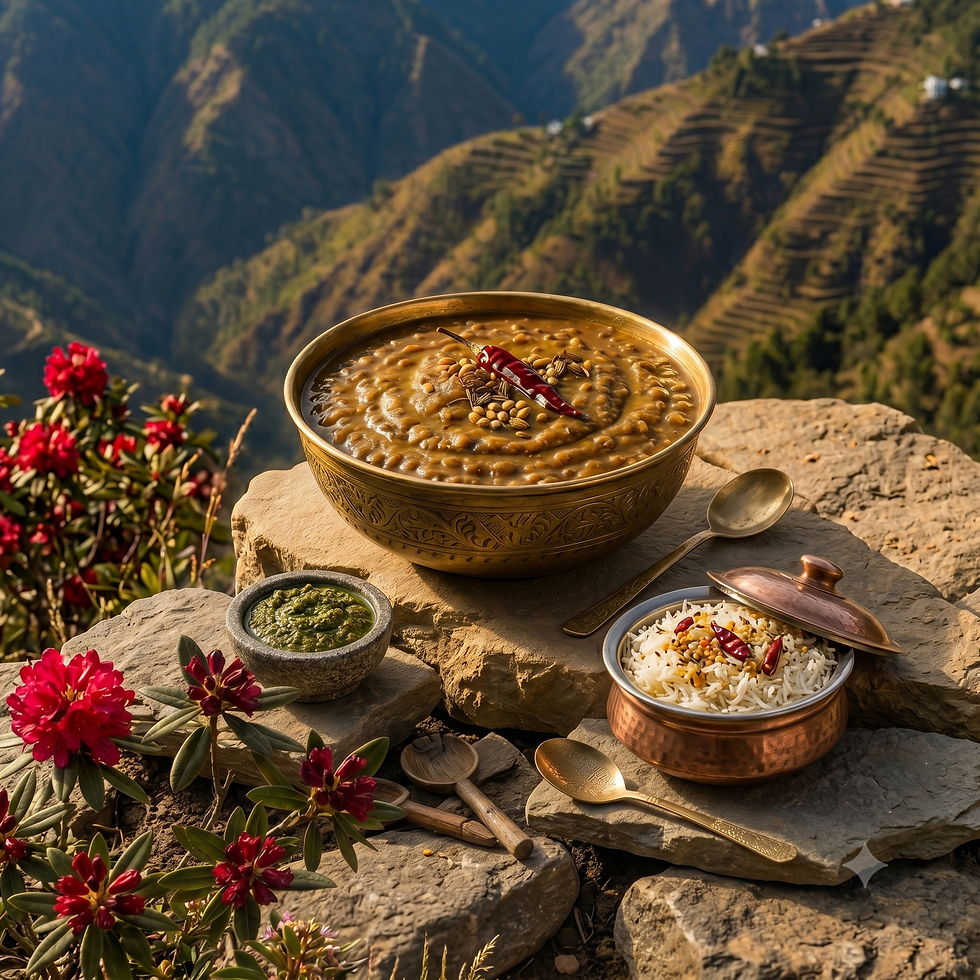
In our local context, Halal certification is the essential foundation of national inclusivity. It represents a promise of ingredient purity and stringent hygiene that resonates across all communities, providing a universal seal of quality. At Copper Chimney, our decade-long commitment to Halal-certified excellence ensures that our corporate catering services provide a safe, welcoming environment for everyone. These rigorous standards often overlap beautifully with other needs. For instance, many Halal-certified vegetable dishes, like our signature Dal Makhani, naturally align with various preferences, creating a harmonious menu that feels cohesive rather than fragmented. By starting with Halal as a baseline, you establish a level of trust that is vital for any successful Singaporean event.
Decoding the Connoisseur’s Menu: A Guide to Common Dietary Requirements
Approaching a menu through the lens of a food writer reveals that dietary needs aren't hurdles; they're invitations to explore the vast geography of flavour. When we discuss catering for diverse dietary needs, we're looking at how centuries-old culinary traditions naturally accommodate modern requirements. In Singapore’s multicultural landscape, a truly inclusive menu doesn't just offer "alternatives." It presents a cohesive selection where every dish feels like a primary choice. From the creamy depths of a lentil curry to the sharp, tangy notes of a Szechwan stir-fry, the potential for inclusion is woven into the very fabric of our heritage cuisines.
Gluten-free dining is a particular area where expertise shines. While many commercial kitchens rely on flour-based thickeners for sauces, a master of North Indian cuisine understands the power of natural reductions and ground nut pastes. Identifying hidden wheat in marinades or spice blends is critical. By using gram flour (besan) for coating our Tandoori Chicken or thickening gravies with pureed aromatics, we ensure a safe yet luxurious experience. Similarly, managing sensitivities to seafood or dairy requires a kitchen culture built on transparency and precision, where every ingredient is accounted for from the pantry to the plate.
The Plant-Based Revolution in Traditional Cuisine
The rise of veganism hasn't required us to reinvent our recipes; instead, it has allowed us to highlight the inherent plant-based richness of our menu. Dishes like Gobi Manchurian are natural stars here, offering a satisfying crunch and bold umami without any animal products. We've found that substituting dairy with silky cashew creams or coconut milk allows us to maintain the velvety "Butter Chicken" soul in our vegetarian offerings. Clear, descriptive labelling is the final touch, giving guests the confidence to enjoy their meal without hesitation. If you're planning a gathering that requires this level of detail, our catering services can help you design a menu that delights every palate.
Navigating Alliums and Root Vegetables
For many guests, dietary choices are deeply spiritual, as seen in the Jain diet. This requirement excludes alliums like onion and garlic, along with root vegetables such as potatoes or carrots. While these are often considered the building blocks of flavour, a skilled chef uses *hing* (asafoetida) and fresh ginger to create a complex, earthy base. We implement strict kitchen protocols to ensure these specific requests are handled in isolation, preventing any cross-contamination. This meticulousness ensures that even the most restricted diner feels the warmth of our hospitality, enjoying a meal that is as fragrant and satisfying as any other on the table.
Bento Boxes vs. Grand Buffets: Selecting the Right Format for Inclusion
Choosing the right service format is as vital as the menu itself. While a grand buffet offers a sense of abundance and visual theatre, it can occasionally feel like a minefield for those with specific requirements. Conversely, a bento box provides a controlled, elegant environment that ensures every ingredient stays in its rightful place. When catering for diverse dietary needs, the format you select dictates the level of safety and sophistication your guests experience. It's about finding that sweet spot where logistical efficiency meets the warmth of traditional hospitality.
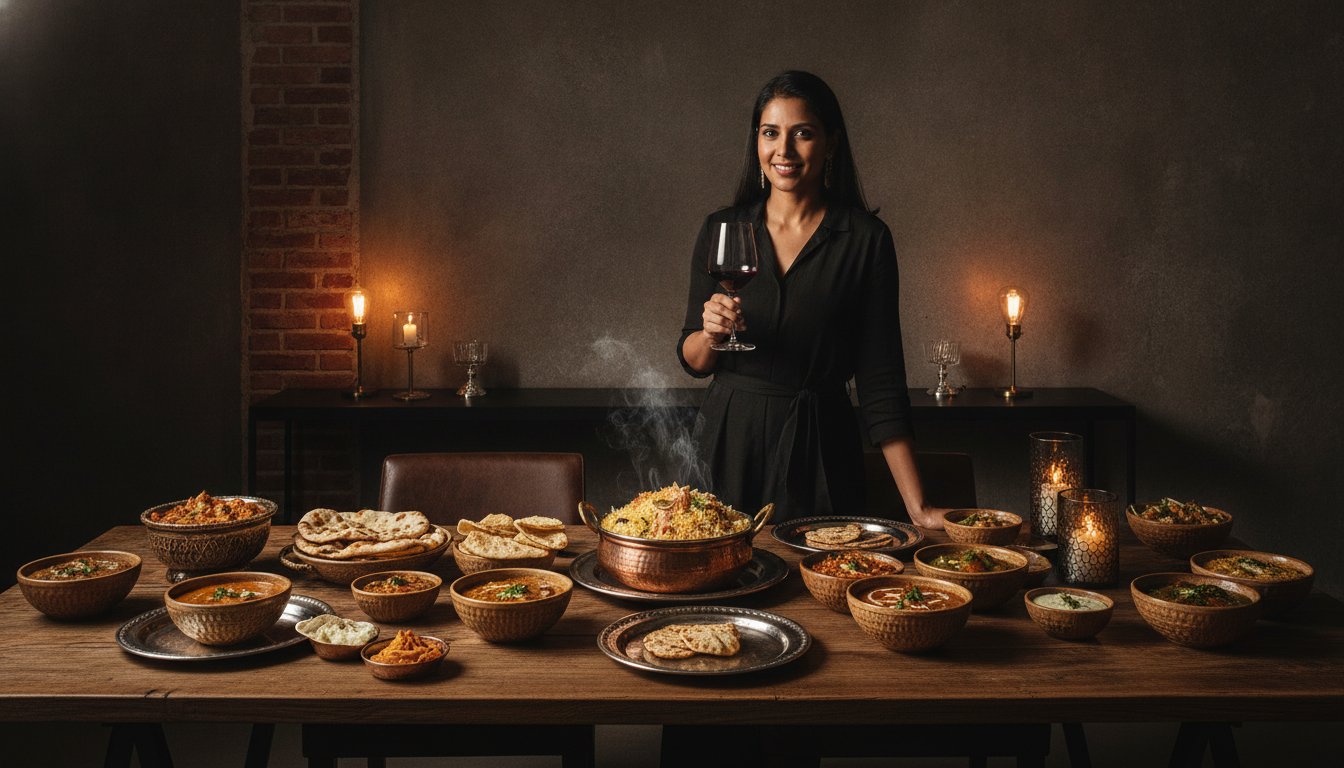
For large scale gatherings, the choreography of a buffet requires a connoisseur's touch. We recommend a layout that physically separates sensitive categories. Placing plant-based dishes like our creamy Dal Makhani or Gobi Manchurian at the start of the line, or even on a dedicated island, prevents the accidental migration of sauces. Clear, descriptive signage is also essential. It shouldn't just list the name of the dish; it should highlight its virtues, such as being gluten-free or vegan, so guests can navigate the spread with confidence and ease.
The Executive Bento: Precision in a Box
The Executive Bento Boxes have emerged as the gold standard for corporate events where precision is paramount. For a guest with a severe nut allergy or a strict gluten-free requirement, a sealed, individual box offers a level of peace of mind that a communal buffet simply cannot match. We don't just pack a meal; we curate a miniature feast. Imagine your guest opening a premium box to find fragrant Lucknowi Mutton Biryani nestled alongside crisp, spice-dusted vegetables, each component kept pristine and separate. It's a way to provide a high-end experience that feels personal, protective, and deeply respectful of the diner's needs.
Live Stations and Interactive Catering
For a truly memorable event, nothing beats the theatre of a Live Station. Having a Chaat Master craft a personalised plate of street-style delicacies allows for real-time adjustments that a pre-prepared menu cannot offer. If a guest prefers less heat or needs to avoid a specific garnish, the chef can adapt the dish right before their eyes. Whether it's a Tandoori station charring fresh Chicken Tikka Masala to order or a Live Chaat counter, this interactive element removes the guesswork for the diner. It turns a dietary restriction into a bespoke culinary performance. This ensures everyone enjoys the same level of excitement and flavour, making the meal a shared journey rather than a segregated experience.
The Planner’s Checklist: Designing a Menu for Diverse Palates
The secret to catering for diverse dietary needs begins long before the first tandoor is lit. It requires a collaborative spirit between the host and the kitchen, where the caterer is seen as a co-author of the event's story. Instead of providing a rigid list of demands, engage in a dialogue about how to weave different requirements into a cohesive theme. This ensures the menu doesn't feel like a collection of disjointed dishes, but a curated experience where a rich Mutton Rogan Josh sits comfortably alongside lighter, plant-based options that carry the same aromatic weight. A successful event isn't measured by the absence of complaints, but by the presence of a shared, joyful atmosphere where everyone eats as equals.
Dietary Intelligence: The Pre-Event Survey
Collecting guest information with grace is an art form, especially when catering for diverse dietary needs in a professional setting. You want to be thorough without being intrusive, while also respecting the privacy of sensitive health data. Invite your guests to share their requirements for Halal, Vegan, or Jain preparations well in advance. Timing is everything. Setting a firm deadline, usually seven to ten days before your event, allows the kitchen to source the finest ingredients and prepare dedicated stations. This level of organisation prevents last-minute stress and ensures that every guest receives a plate prepared with the same level of meticulous care as the rest of the party.
Designing for Flavour Harmony
Balance is the secret to a successful menu. Designing for flavour harmony is about more than just checking boxes; it's about ensuring a sensory journey that doesn't alienate anyone. A well-paced meal is like a symphony. It needs high notes of heat and low notes of cooling comfort. If you're serving a bold, spice-forward dish like Chicken Tikka Masala, pair it with mild, fragrant Szechwan Fried Rice or a cooling Dal Makhani. Texture is equally important. The soft, pillowy pull of Garlic Naan is a universal favourite. However, you should always ensure you have a gluten-free alternative so no one misses out on the ritual of scooping up a rich gravy. For the final act, make sure your dessert selection includes dairy-free or gluten-free choices. This ensures the evening ends on a high note for everyone.
Ready to plan your next inclusive feast? Book our professional catering services today to ensure every guest is delighted by a menu tailored to their specific needs.
Copper Chimney: A Masterclass in Inclusive North Indian and Chindian Catering
For over a decade, Copper Chimney has stood as a custodian of flavour within Singapore’s vibrant culinary landscape. Our heritage is built upon a foundation of Halal-certified excellence, a commitment that ensures our kitchen serves as a welcoming space for every community. When catering for diverse dietary needs, we draw upon this long-standing expertise to navigate the complexities of modern requirements with the grace of a seasoned artisan. We don't believe that inclusive dining should feel like a compromise. Instead, we treat each request as an opportunity to showcase the depth and versatility of our craft, ensuring that every guest feels like an invited friend rather than a logistical challenge.
Our approach to safety is as rigorous as our passion for spice. We implement strict protocols for allergen management and cross-contamination, providing a reliable seal of quality that our clients have trusted for years. Whether we are preparing a velvety Paneer Butter Masala for a vegetarian guest or ensuring a Mutton Rogan Josh meets strict Halal standards, our focus remains on purity and authenticity. This dedication to detail is what allows us to bridge the gap between different cultures and dietary lifestyles, creating a harmonious dining experience that resonates with the multicultural heart of Singapore.
The Unique Appeal of Halal Chindian Fusion
The marriage of Indian spices with Chinese cooking techniques offers a distinct advantage for inclusive events. This specific fusion, often called Chindian cuisine, acts as a natural bridge for diverse palates. Sizzling plates of Chilli Chicken and aromatic helpings of Szechwan Fried Rice possess a universal appeal that transcends cultural boundaries. This Chindian Food in Singapore has become a unique event speciality of ours, providing a flavour profile that is both nostalgic and exciting. By using high-heat wok techniques alongside traditional tandoors, we create dishes that are bold, inclusive, and deeply satisfying for everyone at the table.
Partnering with a Connoisseur for Your Next Event
From the focused precision of a corporate team lunch to the theatrical flair of a grand gala, we tailor our service to match the unique spirit of your gathering. Our bespoke menu creation process involves a thoughtful dialogue where your guests' needs are woven into a sophisticated culinary narrative. We help you choose the right format, whether it's the individual safety of our Executive Bento Boxes or the interactive joy of a Live Chaat counter. As you begin to envision your upcoming celebrations, we invite you to book a catering consultation for your 2026 events. Let’s collaborate to ensure your next feast is a masterclass in inclusive hospitality and exceptional taste.
Crafting Your Next Unforgettable Culinary Narrative
Mastering the art of catering for diverse dietary needs ensures that every guest, from the plant-based diner to those following strict Jain traditions, feels truly valued at your table. We’ve explored how the right service format, whether the controlled elegance of an Executive Bento Box or the vibrant energy of a Live Chaat master, can turn dietary requirements into a celebrated part of the experience. By choosing a partner who understands the nuances of spice and the rigour of safety, you move beyond mere logistics to create a shared moment of belonging.
At Copper Chimney, we’ve been Halal-certified since 2012, serving as specialists in the unique, aromatic world of North Indian and Chindian fusion. With our national delivery and interactive live station options, we bring the warmth of regional hospitality to every corner of Singapore. Elevate your next event with our inclusive catering services and let us help you tell a story of flavour that includes everyone. Your guests deserve a feast where the heritage of the food is as impeccable as the service itself. We look forward to making your vision a reality.
Frequently Asked Questions
What is the best way to handle multiple food allergies at a large corporate event?
Individual Executive Bento Boxes are the most effective solution for managing severe or multiple allergies at large corporate gatherings. This format provides a sealed, controlled environment for each meal, eliminating the risks associated with communal serving spoons. For buffet setups, we recommend physical separation of dishes and detailed descriptive cards that highlight specific allergens like dairy or gluten, allowing guests to navigate the menu with complete peace of mind.
Is Halal-certified catering suitable for non-Muslim guests?
Absolutely, Halal-certified catering serves as a universal hallmark of hygiene and ingredient quality that benefits all guests. It ensures that every component is sourced and prepared under stringent standards of purity, which often appeals to health-conscious diners regardless of their faith. In Singapore's multicultural landscape, choosing Halal options creates a foundational level of trust and inclusivity, ensuring no guest feels excluded from the shared culinary journey.
Can North Indian catering accommodate a strict Vegan diet?
North Indian cuisine is remarkably well-suited for a strict Vegan diet because many traditional recipes are naturally plant-based. When catering for diverse dietary needs, we highlight dishes like Gobi Manchurian or Dal Makhani prepared with coconut or cashew creams instead of butter. These substitutions maintain the rich, velvety texture and deep aromatic spice profiles that define our heritage, ensuring vegan guests enjoy a meal that is just as sophisticated as any other.
How does a caterer prevent cross-contamination for guests with severe nut allergies?
Preventing cross-contamination requires rigorous kitchen protocols, including dedicated preparation areas and colour-coded utensils strictly reserved for nut-free dishes. We manage every stage of the process, from separate ingredient storage to final plating, ensuring that no traces of allergens migrate between stations. Our chefs are trained to treat severe allergies with the highest level of precision, providing a safe environment where every guest can dine without fear.
What are the best inclusive food options for a high-tea buffet in Singapore?
A Live Chaat counter with a dedicated Chaat Master is one of the most inclusive and exciting options for a high-tea buffet in Singapore. These interactive stations allow guests to customise their spice and ingredient levels in real-time. Complement this with Gobi Manchurian for a crunchy, plant-based treat or bite-sized Tandoori Chicken. These options provide a sophisticated balance of textures and flavours that cater to varied palates while maintaining an elegant tea-time atmosphere.
How far in advance should I confirm dietary requirements with my caterer?
You should ideally confirm all specific dietary requirements with your caterer at least seven to ten days before your event. This window allows the kitchen team sufficient time to source specialised ingredients and prepare dedicated stations to prevent cross-contamination. Providing this information early is a key part of catering for diverse dietary needs effectively, as it ensures the chefs can craft a menu that is as safe as it is delicious.
Are there gluten-free options in traditional North Indian cuisine?
Traditional North Indian cuisine offers an abundance of naturally gluten-free options, from fragrant Basmati rice dishes like Lucknowi Mutton Biryani to protein-rich lentil curries. We avoid wheat-based thickeners in our gravies, relying instead on slow-cooked aromatics and ground nut pastes to achieve a luxurious consistency. While Garlic Naan contains gluten, guests can enjoy a wide variety of tandoori meats and vegetable sides that are prepared without any wheat-derived ingredients.
What dishes are typically included in a Jain-friendly Indian menu?
A Jain-friendly menu focuses on dishes prepared without onions, garlic, or root vegetables like potatoes and carrots. We use fresh ginger and asafoetida (hing) to build deep, earthy flavour profiles in dishes like Paneer Butter Masala or yellow dal. By focusing on above-ground vegetables and aromatic spice blends, we create a menu that adheres to strict spiritual requirements while delivering the same rich sensory experience found in our standard offerings.

Comments